Moving from NYC to Vermont
Trading a New York apartment for a house in Vermont is one of the biggest lifestyle changes you can make without leaving the Northeast. The drive is the easy part: about 3½ hours to southern Vermont and 5½–6 hours to Burlington. The hard parts are at each end. In the city, it’s building rules, elevators, and parking. In Vermont, it’s gravel roads, steep driveways, spring weight limits, and snow.
This guide covers what actually matters when you plan the move: drive times by region, what the price depends on, which months to avoid, and what to take care of in your first 60 days. When you’re ready, Expo Movers can take it from your door in the city to your door in Vermont.
NYC to Vermont: quick facts
- Distance: about 180 miles to Bennington, 200 to Brattleboro, 300 to Burlington or Montpelier, and 330–370 to the Northeast Kingdom.
- Drive time: roughly 3½ to 7 hours by car. A loaded moving truck is slower, especially on two-lane roads like Route 7 and Route 100.
- It’s an interstate move. Your mover needs a USDOT number and must give you the federal booklet Your Rights and Responsibilities When You Move. Here’s how our interstate moving service works.
- Easiest months: June through early September, and late October once the foliage crowds leave. If your new home is on a dirt road, avoid mud season (roughly March to May).
- After you arrive: get a Vermont driver’s license and register your car within 60 days, then pass a state inspection within 15 days of registering.
Where in Vermont are you moving? Drive times by region
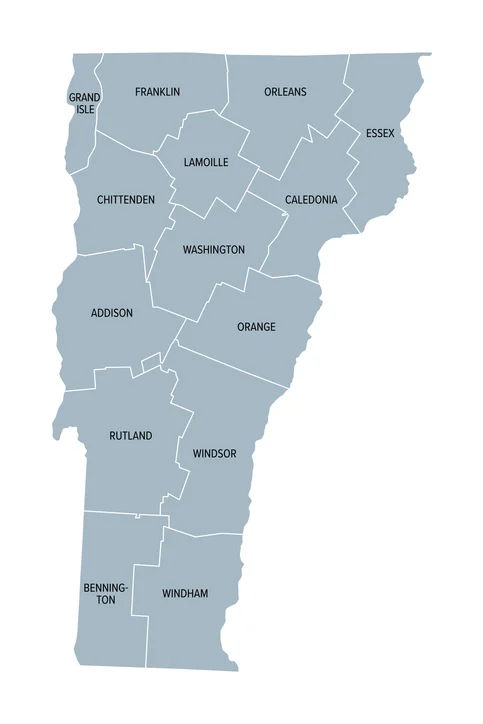
Southern Vermont: Bennington, Manchester, Brattleboro
About 180–210 miles, 3½–4 hours from Manhattan. The closest part of the state, and the easiest if you still need to get back to the city for work or family. Brattleboro sits right off I-91 with an Amtrak stop on the Vermonter line. Bennington and Manchester are on Route 7 on the western side, with the Green Mountains right behind them. Smaller moves to this area can often be loaded and delivered the same day.
Central Vermont: Rutland, Killington, Woodstock, Montpelier
About 240–300 miles, 4½–6 hours. Rutland is the regional hub, with Amtrak’s Ethan Allen Express running to New York. Woodstock and the Killington area draw skiers and second-home buyers. Montpelier is the smallest state capital in the country, with a walkable downtown. Expect hills, narrow town roads, and plenty of houses on gravel.


Burlington area: Burlington, South Burlington, Winooski, Essex
About 300 miles, 5½–6 hours. The closest thing Vermont has to a city: Lake Champlain on one side, plus the University of Vermont, the state’s largest hospital, the airport, and most of the jobs. It’s also one of the priciest housing markets in the state. If you want sidewalks, restaurants, and a short commute, start your search here.
Northern Vermont and the Northeast Kingdom: Stowe, St. Johnsbury, Newport
About 320–370 miles, 6–7 hours. Stowe is a resort town with a famous ski mountain and prices to match. Beyond it, the Northeast Kingdom is the most rural corner of Vermont: long winters, long driveways, and towns where the nearest supermarket can be a 20-minute drive. Before you commit to a property up here, ask how the road is maintained in winter and check which internet providers actually serve the address.
Moving from Long Island or upstate instead of the city? We cover those too: see our Long Island movers and New York State movers pages.
How Expo Movers handles a move from NYC to Vermont
We’re a New York City moving company, so the city end of your move is home turf. The Vermont end is where planning matters most, because access, not distance, is what usually causes problems. Here’s how a move with us works.
- 1
A walkthrough and a written quote. We look at what you’re moving and send an itemized written quote, so you know the price before anything goes on the truck.
- 2
Your choice of truck. An express dedicated truck carries only your belongings and goes straight to Vermont on the dates you choose. A shared trailer costs less and delivers within an agreed window. Our long-distance movers page explains both.
- 3
The NYC paperwork. We send the certificate of insurance your building asks for and schedule around freight elevator bookings and building move hours.
- 4
Packing for a long ride. Full or partial packing services, wardrobe boxes, and custom crating for art, mirrors, and antiques through our fine art and antiques moving team.
- 5
A plan for the last mile. We check the delivery route and driveway before move day. If a full-size truck can’t safely reach the house because of a steep gravel drive, a road posted for mud season, or a tight turn, we plan the transfer to a smaller truck in advance instead of figuring it out in your driveway.
- 6
Storage if your dates don’t line up. Lease ending before your closing? We can hold your things in storage and deliver once the house is ready.
What does it cost to move from NYC to Vermont?
Two moves on the same route can be thousands of dollars apart, so a flat “NYC to Vermont” price isn’t very useful. These are the things that actually set the number:
- How much you’re moving. Interstate moves are priced on the weight or volume of the shipment, so a studio and a three-bedroom are very different jobs. Selling or donating furniture before you go is the easiest way to lower the bill, and we can haul away what you don’t want with our furniture disposal service.
- Where in Vermont. Brattleboro is about 200 miles from Manhattan; Newport is closer to 370.
- Dedicated truck or shared trailer. A dedicated truck costs more but locks in your dates. A shared trailer is the budget option if you can be flexible.
- Access at both ends. A fifth-floor walk-up in Brooklyn, a long carry from the curb, or a smaller truck for a Vermont driveway all add labor.
- Packing, crating, and storage. All optional, all priced separately.
- Timing. Summer weekends and the end of the month are the busiest days for movers. Midweek, mid-month dates are easier to get.
The quickest way to a real number: request a free quote or call (212) 321-3976.
Vermont realities to plan around
Mud season (roughly March to May)
When the frost comes out of the ground, gravel roads turn soft and towns post weight limits to keep heavy trucks off them. Typical postings cap two-axle trucks at 15,000 lbs and tractor-trailers at 20,000 lbs, and a loaded moving truck is usually over that. Since more than half of Vermont’s public road miles are unpaved, check your new road. If it’s gravel, move outside mud season or plan on a smaller truck for the last stretch.
Winter
Snow can arrive in October and hang on into April, especially up north and at elevation. For a winter move, have the driveway plowed and sanded and a clear path to the door the day before. A storm can push delivery back a day; that’s normal, and it beats a truck sliding down an icy hill.
Foliage season
From late September to mid-October, Route 7, Route 100, and Route 9 fill with leaf-peepers and inns book up. If you’re moving then, pick a weekday and reserve your own lodging early if you’ll arrive before the truck.
Utilities work differently
- Heat: many Vermont homes run on heating oil, propane, or wood instead of a gas line. Set up fuel delivery before you arrive, not after the tank runs dry.
- Internet: coverage can change from one road to the next. Confirm what’s available at the exact address before you buy or sign a lease.
- Water: rural houses often have a private well and septic system instead of town water and sewer.
- Trash: many towns have no curbside pickup, so you’ll hire a hauler or use the town transfer station. Food scraps have been banned from the trash statewide since 2020, so plan to compost or use a drop-off.
Is Vermont cheaper than New York City?
For housing, usually. Zillow puts the typical Vermont home value at about $400,000, and you get far more space for it than in the city. But the state isn’t as cheap as people expect:
- The median home price has risen about two-thirds since 2019, and good houses still sell fast.
- Property taxes are among the highest in the country, with an average effective rate around 1.8%.
- State income tax runs from 3.35% to 8.75%. There’s no city income tax, so the NYC tax goes away.
- Subway fares are replaced by a car (often two), fuel, and longer drives.
Your first 60 days in Vermont
- Driver’s license: trade your New York license for a Vermont one within 60 days of moving.
- Car registration and inspection: register your vehicles within 60 days and pass a Vermont inspection within 15 days of registering. The Vermont DMV’s new-resident page lists what to bring.
- Mail: file a USPS change of address about two weeks before the move. In some villages mail goes to a P.O. box rather than the house, so check with the local post office.
- Relocation grants: the state’s Worker Relocation Incentive Program, which offered up to $7,500 toward moving costs, is listed as fully subscribed. Check ThinkVermont for anything current before you count on it.
Heading to Massachusetts instead? Read our guide to moving to Boston from New York.